From the Operating Table to the Deed Office: How Cosmetic Surgery Is Sending American Women Home With Turkish Property
The typical American woman who books a flight to Şanlıurfa is not thinking about square footage or rental yields. She is thinking about a rhinoplasty that costs a fraction of what a clinic in Dallas or Chicago would charge, or a full set of porcelain veneers that her US dental insurance will never cover. What she does not anticipate—but what an increasing number of her peers are discovering—is that the ten to fourteen days she spends recovering in this southeastern Turkish city will fundamentally change how she thinks about where to put her money.
This is not a coincidence. It is the product of a specific set of circumstances that Şanlıurfa has quietly assembled over the past several years: internationally accredited medical facilities, a dramatically favorable exchange rate, a hospitality infrastructure built around slow, comfortable stays, and a historic urban core that is genuinely beautiful in a way that photographs fail to capture. When those elements converge around a woman who is already predisposed toward thoughtful financial decisions—after all, medical tourism requires research, planning, and risk tolerance—the leap from patient to property investor is shorter than it might appear.
The Economics of Cosmetic Care in Şanlıurfa
Let us begin with the numbers, because they are the initial draw. In the United States, a rhinoplasty typically runs between $8,000 and $15,000 out of pocket. A full dental veneer treatment covering ten to twelve teeth can exceed $20,000. Breast augmentation with a board-certified surgeon in a major American city rarely comes in under $10,000 once facility and anesthesia fees are added.
In Şanlıurfa, those same procedures—performed by surgeons trained at Turkish medical universities and, in many cases, holding European board certifications—are available at 60 to 80 percent lower cost. A rhinoplasty may be priced between $2,000 and $4,500. A comprehensive dental makeover often falls below $5,000. The savings are not marginal; they are life-altering.
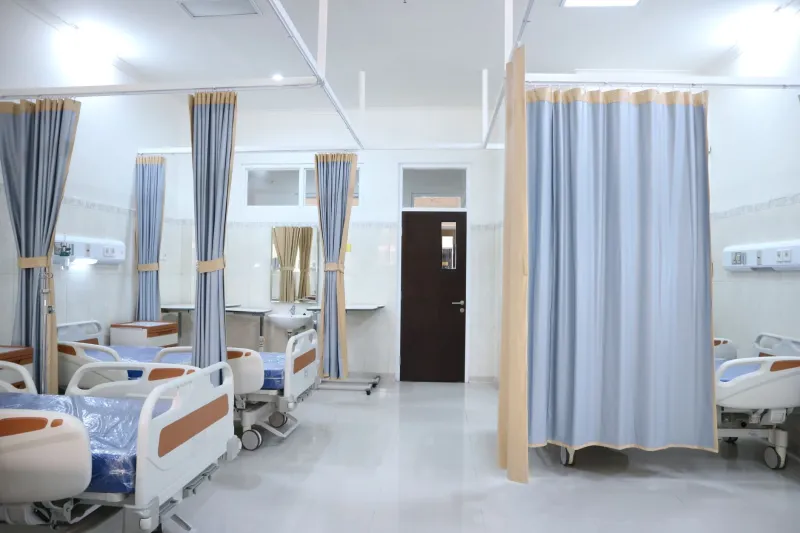
Critically, those savings do not come at the expense of care quality. Turkey's medical tourism sector is regulated under the country's Health Tourism Authorization Certificate system, and Şanlıurfa's leading clinics have invested heavily in English-speaking patient coordinators, modern imaging technology, and post-operative recovery protocols that meet international standards. The infrastructure exists precisely because demand from foreign patients—including a growing cohort of American women—has made it economically worthwhile to build it.
Recovery Time as Discovery Time
Here is where the property story begins. Unlike a weekend medical trip to a border city, cosmetic procedures require genuine recovery time. Swelling, bruising, and post-surgical protocols mean that most patients stay between ten days and three weeks. That window—longer than a vacation but shorter than a relocation—creates an unusual psychological space.
Women who might otherwise never have explored Şanlıurfa's old city find themselves walking its basalt-paved streets during golden afternoons when they feel well enough to move but not yet ready to fly. They visit the fish lake of Balıklıgöl, take coffee in the shadow of the ancient citadel, and browse the covered bazaar. They eat extraordinarily well for very little money. They stay in boutique guesthouses built inside restored stone mansions—and they start asking questions about what those properties cost.
Patient coordinators at several Şanlıurfa clinics have noted this pattern explicitly. Recovery guests frequently request introductions to local real estate agents, sometimes before their sutures have fully dissolved. The city, experienced slowly and at a convalescing pace, reveals itself in a way that a rushed tourist itinerary never would.
Neighborhoods That Suit the Recovery—and the Investment
Not every part of Şanlıurfa is equally suited to the medical tourist's extended stay, and those neighborhood preferences tend to shape subsequent property searches. Two areas in particular have emerged as favorites.
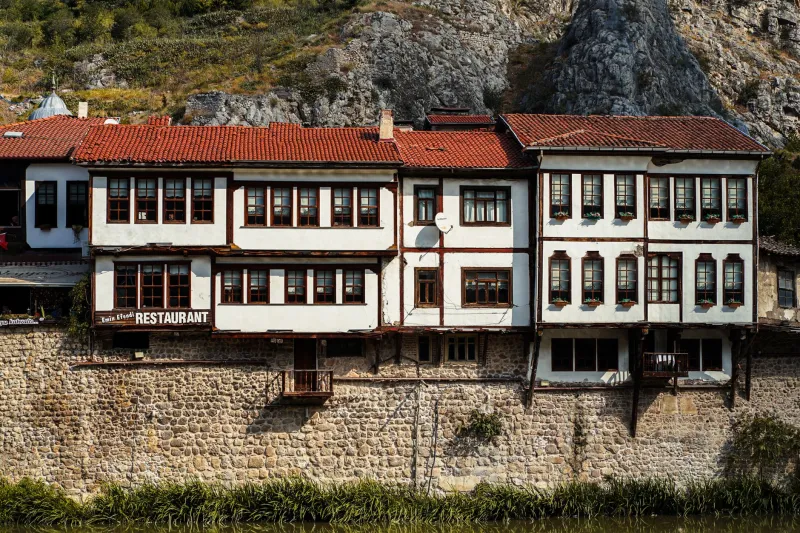
The Historic Center (Kaleiçi and surrounding streets) offers the aesthetic experience that most visitors find transformative. Stone houses with interior courtyards, narrow lanes shaded by overhanging architecture, and proximity to the city's most significant cultural sites make this area deeply appealing. Properties here are also among the most discussed on platforms like Şanlıurfa Satılık, as restoration projects offer strong appreciation potential for buyers willing to invest in renovation. Recovery-friendly boutique accommodations are concentrated here, meaning many women form their first impressions of ownership while literally staying in the type of property they might one day buy.
Yenişehir and the newer residential districts appeal to women whose recovery priorities lean toward comfort and convenience over atmosphere. Modern apartments with elevators, proximity to pharmacies and outpatient clinics, and reliable high-speed internet make these neighborhoods practical choices during the post-operative period. They also represent the more accessible entry point for first-time buyers, with well-maintained units available at price points that make a US-dollar-denominated purchase feel almost trivially affordable.
From Patient to Owner: The Transition in Practice
The financial logic of the transition is straightforward once a visitor has experienced the city directly. A woman who has just saved $10,000 on a cosmetic procedure is holding capital she did not expect to have. The Turkish lira's sustained weakness against the dollar means that Şanlıurfa real estate, priced in lira, represents extraordinary purchasing power for anyone earning or holding dollars. A studio apartment in a desirable neighborhood may cost the equivalent of $15,000 to $25,000. A two-bedroom unit in the historic center, fully renovated, might reach $50,000 to $70,000—still a fraction of what comparable character properties would cost in the American cities these buyers call home.
Those who move beyond curiosity and begin the purchase process typically engage a bilingual real estate agent, often one with existing experience serving international clients. The legal pathway for American citizens purchasing Turkish property is well-established: foreigners may own real estate in Turkey with relatively few restrictions, and the title transfer process, while requiring careful navigation, is manageable with qualified legal representation.
Some buyers purchase with immediate rental income in mind, listing their properties on short-term rental platforms to serve the very medical tourism market that brought them to the city. Others purchase with a longer horizon—a retirement base, an annual return visit that doubles as a wellness retreat, or a hedge against US inflation.
What This Trend Tells Us About Şanlıurfa's Trajectory
The medical tourism-to-property pipeline is not a marketing strategy invented by real estate agents. It is an organic behavioral pattern emerging from the intersection of affordability, quality, and the particular attentiveness that comes with spending two weeks somewhere while your body heals. Şanlıurfa did not engineer this dynamic, but the city is well-positioned to benefit from it.
For American women considering the journey—whether the primary motivation is a procedure, a property, or both—the practical first step is research. Şanlıurfa Satılık maintains current listings across the city's most sought-after districts, with price data that allows US-based buyers to benchmark their purchasing power before they ever board a flight. The operating table and the deed office are closer together here than anywhere else in the region. That proximity, as it turns out, is an asset in itself.