Renovation Gold Rush: How American Buyers Are Transforming Şanlıurfa's Distressed Properties Into High-Value Assets
In the American real estate world, the term "house flip" conjures images of HGTV crews, suburban ranches, and tight six-month timelines. In Şanlıurfa, the concept takes on an entirely different dimension — one measured not just in dollars and square footage, but in centuries of architectural history and an emerging city economy that is quietly revaluing everything within its borders.
A growing cohort of US-based investors has begun treating Şanlıurfa's secondary and tertiary neighborhoods as an undiscovered renovation market. The math, by American standards, appears almost implausible: distressed stone homes in neighborhoods like Halfeti Road corridors or the outer rings of Eyyübiye can be acquired for the equivalent of $15,000 to $40,000. Renovation budgets of a comparable amount can transform these structures into rental-ready or resale-quality properties. The resulting asset, in a city experiencing sustained infrastructure investment and population growth, carries an entirely different valuation.
Why Şanlıurfa's Fixer-Upper Market Exists
Understanding why these properties are available at such low entry points requires a brief look at local demographic and economic patterns. Many of Şanlıurfa's older residential neighborhoods contain homes that have passed through multiple generations of the same family. As younger residents migrate toward newer apartment complexes on the city's expanding periphery, older stone and mud-brick structures in historic cores are frequently left vacant or minimally maintained.
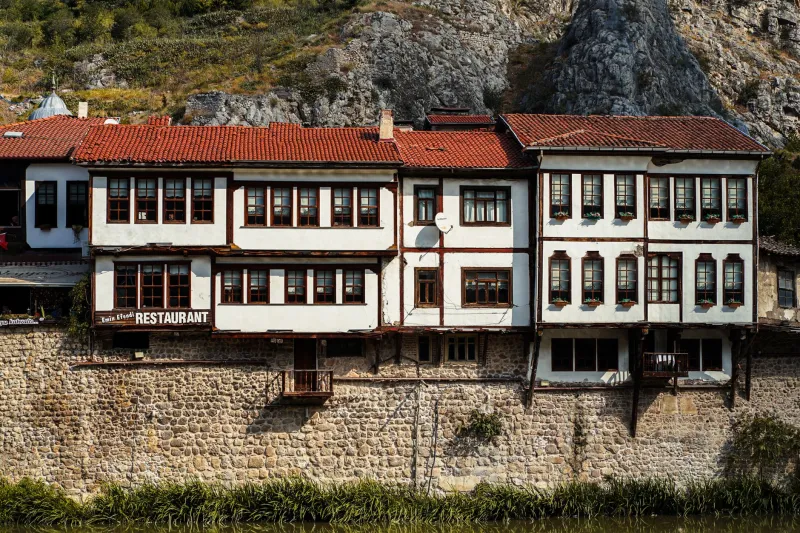
This generational transition has created a supply of structurally sound but cosmetically neglected properties — homes with thick limestone walls, vaulted ceilings, and interior courtyards that would be considered architectural treasures in any Western European city. Because local buyers often prioritize modern construction, these heritage structures linger on the market at prices that strike American investors as extraordinary.
Additionally, Şanlıurfa's designation as a UNESCO-adjacent heritage zone — driven by the Göbeklitepe archaeological site and the city's own historic fabric — has begun attracting tourism investment. Properties that sit within or adjacent to the old city are increasingly positioned to serve boutique hotel, guesthouse, or high-end short-term rental functions, amplifying the renovation opportunity.
What American Flippers Are Actually Doing
David M., a real estate investor from Phoenix who asked that his last name be withheld, completed his first Şanlıurfa renovation project in 2023. He purchased a two-story stone home in a transitional neighborhood near the historic bazaar district for approximately $22,000. His renovation — which included structural reinforcement, modern plumbing, updated electrical systems, and cosmetic restoration of original stonework — cost an additional $28,000, bringing his all-in basis to roughly $50,000.
"I listed it as a furnished short-term rental while simultaneously marketing it to a Turkish buyer who wanted a restored heritage property," David explained. "Within eight months, I had generated enough rental income to cover holding costs, and I eventually sold it for the equivalent of $87,000. That's a return I couldn't replicate anywhere in the American Southwest."
Not every project follows this trajectory, and David is candid about the learning curve. "The first thing I underestimated was the permitting timeline. Turkey has specific regulations around heritage structures, and if your property falls within a protected zone, you are working with KUDEB — the local cultural heritage preservation board — on every significant modification. That adds time and requires local expertise."
Navigating Turkey's Regulatory Landscape
For American investors accustomed to pulling a building permit at a municipal office and starting work within weeks, Turkey's regulatory environment around heritage properties can feel labyrinthine. Properties classified under cultural heritage protection law require approval from regional preservation boards before structural modifications can begin. This is not a bureaucratic inconvenience to be worked around — it is a legal requirement with meaningful enforcement.
The practical implication is that renovation timelines on historic structures frequently run longer than comparable projects in the US. Investors should budget a minimum of three to six months for permitting on protected properties, and engage a licensed Turkish architect from the outset. Attempting to navigate these processes independently, without fluency in Turkish and familiarity with local administrative procedures, is widely regarded as the single most common mistake made by foreign buyers.
For properties outside designated heritage zones, the regulatory environment is considerably more straightforward. Standard renovation permits in Şanlıurfa's newer districts follow a process broadly comparable to municipal permitting in mid-sized American cities, with timelines typically measured in weeks rather than months.
Neighborhoods With the Strongest Renovation Upside
Not all of Şanlıurfa's distressed property inventory carries equal potential. Experienced local agents and investors consistently point to several areas as offering the most compelling combination of low acquisition cost and credible appreciation trajectory.
The Historic City Core (Kaleiçi and Adjacent Quarters): Properties here carry the highest heritage value and the most complex regulatory requirements, but also the greatest repositioning potential for boutique hospitality or premium residential use. Acquisition prices remain low relative to comparable historic urban fabric in other Turkish cities.
Eyyübiye District Transitional Zones: Areas in transition between older residential fabric and newer commercial development offer a middle path — lower regulatory complexity than the historic core, with meaningful upside as commercial activity expands outward.
Haliliye Peripheral Neighborhoods: These areas, increasingly connected to the city center by infrastructure improvements, contain newer distressed inventory — properties built in the 1990s and early 2000s that require cosmetic and systems upgrades rather than structural intervention. Renovation costs are lower and timelines are faster, making them attractive to investors seeking quicker turnaround.
The Hidden Costs That Catch Investors Off Guard
Beyond permitting delays, several cost categories consistently surprise first-time renovators in Şanlıurfa. Material sourcing for heritage-appropriate finishes — specific limestone varieties, traditional tile patterns, period-appropriate ironwork — can carry significant premiums and require specialized local craftsmen. Labor costs, while dramatically lower than American equivalents, are not negligible when projects extend over many months.
Currency fluctuation represents an additional variable. American investors working with dollar-denominated capital benefit from favorable exchange rates when acquiring and renovating, but should account for the possibility that a weakening lira could compress resale returns if the eventual buyer is paying in Turkish currency. Structuring transactions carefully — ideally with guidance from a Turkish attorney familiar with foreign investment — is essential.
Finally, property transfer taxes, notary fees, and agent commissions add a combined 4 to 6 percent to acquisition costs. These are predictable and manageable, but must be factored into initial underwriting.
Building a Local Team Before You Buy
The investors who report the most consistent success in Şanlıurfa's renovation market share one common characteristic: they invested in relationships before they invested in property. A competent local architect, a bilingual real estate attorney, a trusted general contractor with heritage renovation experience, and a property manager capable of handling rentals during the hold period represent the minimum professional infrastructure required for a successful project.
At Şanlıurfa Satılık, we maintain relationships with licensed professionals across each of these categories and can facilitate introductions for serious buyers. The city's renovation opportunity is genuine — but it rewards preparation, patience, and the willingness to operate within a regulatory and cultural context that differs meaningfully from the American market.
For the investor willing to do that work, Şanlıurfa's distressed property inventory represents one of the more compelling value propositions available to US capital anywhere in the world today.