Beyond the Tourist Trail: Why American Buyers Are Skipping Cappadocia, Bodrum, and Antalya for Şanlıurfa
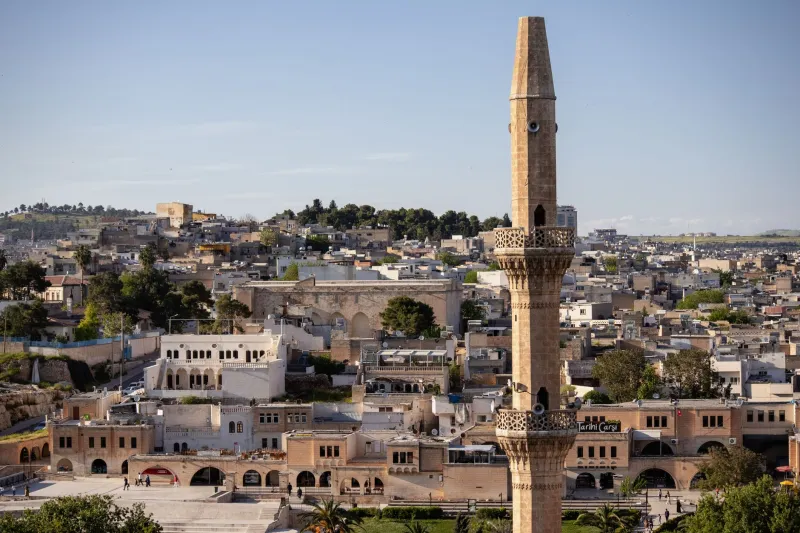
For years, the standard playbook for American buyers entering the Turkish property market looked something like this: browse boutique cave hotels in Cappadocia, scroll through Bodrum marina listings, or chase a sun-drenched apartment in Antalya. These destinations built their reputations on natural spectacle and foreign appeal — and they priced themselves accordingly. Today, however, a different kind of American buyer is doing the math. And that math increasingly points southeast, toward Şanlıurfa.
This is not a story about settling for second best. It is a story about recognizing where genuine value lives before everyone else catches on.
The Price Gap Is Not a Rumor — It Is a Documented Reality
Let's start with the numbers, because they are striking. In Bodrum's most desirable coastal neighborhoods, per-square-meter prices for residential properties routinely exceed 3,000 USD and frequently push well past 5,000 USD in premium waterfront zones. Cappadocia's cave-house market, driven almost entirely by boutique tourism demand, commands similarly inflated figures for properties that often require significant ongoing maintenance. Antalya's Konyaaltı and Lara districts have seen foreign buyer interest push prices up considerably over the past several years, compressing the yield potential that once made them attractive.
Şanlıurfa tells a different story. Comparable quality residential properties — including renovated stone houses in historic quarters and modern apartments in developing districts — are currently available at a fraction of those figures. For American buyers whose purchasing power is denominated in dollars, this gap represents not merely an affordability advantage but a structural opportunity: the chance to acquire real assets at prices that have not yet been inflated by mass foreign demand.
The critical question is not whether Şanlıurfa is cheaper. It clearly is. The critical question is whether that lower price reflects lower quality or lower discovery. Increasingly, the evidence points to the latter.
Appreciation Potential: Early-Stage vs. Mature Markets
Bodrum, Antalya, and Cappadocia are mature markets. That is not an insult — it is a market classification. Mature markets offer stability and liquidity, but they rarely deliver the appreciation multiples that early-stage markets can generate for patient investors.
Şanlıurfa is, by most credible indicators, in an early-growth phase. Major infrastructure investments — including expanded transportation links and ongoing urban renewal initiatives — are actively reshaping the city's physical and economic landscape. The UNESCO-adjacent profile of Göbekli Tepe continues to draw international academic and tourism attention, laying a foundation for hospitality and short-term rental demand that has not yet been fully priced into the residential market.
Buyers who entered Bodrum or Cappadocia a decade before those markets peaked captured extraordinary returns. The buyers who entered after the international media spotlight arrived largely did not. Şanlıurfa currently sits at a stage that resembles where those markets were before the wave — which is precisely why attentive American investors are paying close attention now.
Lifestyle Depth That Resorts Cannot Manufacture
There is something worth acknowledging honestly: Bodrum is beautiful. Cappadocia is visually extraordinary. Antalya's Mediterranean coastline is genuinely appealing. These are not manufactured attractions. But for a certain kind of American buyer — one seeking cultural immersion rather than a curated resort experience — those destinations can feel thin beneath their picturesque surfaces.
Şanlıurfa offers something fundamentally different: a living city with one of the most layered cultural and historical identities in the entire Middle East. The old bazaar district, the sacred pools of Balıklıgöl, the ancient architecture of Harran, and the culinary traditions that have remained largely unchanged for centuries — none of this was built for foreign consumption. It exists because it has always existed, and that authenticity is increasingly rare and increasingly valued.
For American buyers who have grown weary of destinations that feel like theme parks for tourists, Şanlıurfa's unfiltered character is not a drawback. It is the point.
The Saturation Problem in Established Markets
One dimension of the Cappadocia, Bodrum, and Antalya story that receives insufficient attention is the saturation dynamic. When a destination becomes globally famous, the market consequences are predictable: prices rise, supply tightens, and the original qualities that made the place appealing begin to erode under the weight of mass interest.
Cappadocia's short-term rental market, for instance, has become intensely competitive as the number of boutique properties has multiplied faster than tourist arrivals. Bodrum's peak season now brings the kind of congestion and service strain that frustrates rather than delights. Antalya's rapid development has produced neighborhoods where the line between a quality investment and an overbuilt liability can be difficult to discern.
Şanlıurfa has not yet reached that inflection point. Buyers entering today are not fighting over the last affordable listing in a crowded market — they are selecting from a market where quality properties remain available at reasonable prices, competition among foreign buyers is limited, and the upside of future demand has not yet been captured in current valuations.
Rental Income and the Tourism Equation
Antalya and Bodrum generate strong short-term rental income — but primarily during a compressed summer season that leaves properties sitting idle for much of the year. Cappadocia has a longer tourist season but a very specific market niche that limits the pool of viable properties.
Şanlıurfa's tourism profile is different in structure. Religious and heritage tourism — driven by the city's profound significance in Islamic tradition and its proximity to Göbekli Tepe — operates on a more distributed calendar than beach tourism. Domestic Turkish visitors, regional travelers from neighboring countries, and an expanding cohort of international heritage tourists generate demand that is less dependent on a single three-month window.
For investors building a rental income strategy, that distribution matters. A property that generates steady occupancy across ten months of the year can outperform a higher-priced coastal asset that sits empty from October through April.
The Window Is Open — But Not Indefinitely
Every market that eventually becomes expensive was once affordable. Every destination that now feels crowded was once overlooked. The buyers who captured the greatest returns from Turkey's coastal markets were not the ones who arrived after the headlines — they were the ones who arrived before them.
Şanlıurfa is at that stage now. The infrastructure is being built. The international profile is rising. The price gap relative to established markets remains wide. And the community of foreign buyers who have already moved here — quietly, deliberately, and ahead of the broader market — continues to grow.
For American buyers willing to look beyond the familiar names and do the comparative analysis seriously, the conclusion is difficult to argue with. Şanlıurfa is not the alternative to Turkey's premium markets. For investors who understand what early-stage opportunity looks like, it is the destination.
Şanlıurfa Satılık connects American buyers with verified property listings across Şanlıurfa's most promising neighborhoods and districts. Explore current listings at sanliurfasatilik.com.