Zero Competition, Full Occupancy: The Short-Term Rental Void American Investors Are Only Now Discovering in Şanlıurfa
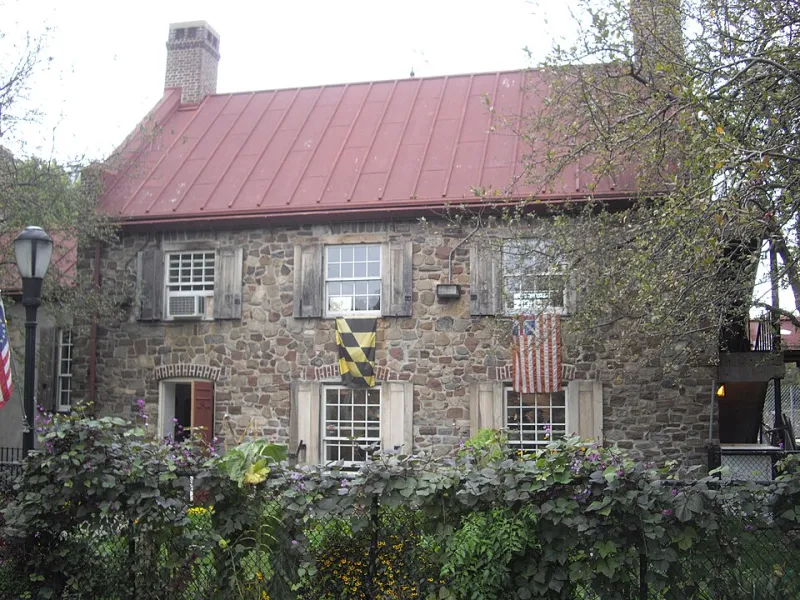
Photo: Dmadeo, CC BY-SA 3.0, via Wikimedia Commons
When American travelers picture a Turkish short-term rental market, they imagine the thousands of Airbnb listings crowding Istanbul's Beyoğlu district or the cave suites of Cappadocia that book out months in advance. What almost no one pictures is Şanlıurfa — and that's precisely the point. A city of more than two million residents, home to what many archaeologists consider the oldest known temple complex on Earth, currently hosts a short-term rental inventory so thin that a determined investor could count the professionally managed units without running out of fingers.
The Numbers Behind the Gap
Tourism statistics tell one story while listing counts tell another. Visitor arrivals to Şanlıurfa have climbed steadily since Göbeklitepe's UNESCO World Heritage designation in 2018, with domestic Turkish tourism forming a reliable base and international arrivals — including a growing share of American cultural travelers — adding momentum each season. Museum visits, guided excavation tours, and the city's compact historic core all point to a destination with genuine, durable drawing power.
Now compare that demand curve with supply. Istanbul lists tens of thousands of short-term units across booking platforms. Even Cappadocia's small towns maintain thousands. Şanlıurfa's count, by contrast, sits in the low hundreds at best — and many of those are informal arrangements rather than purpose-positioned rentals. In market terms, this is a supply curve that has barely moved while the demand curve keeps tilting upward.
What Early Movers Are Seeing
The handful of operators who have already professionalized units in the city center report a pattern familiar to anyone who studied emerging Airbnb markets a decade ago: limited competition translates directly into pricing power. Well-furnished apartments near Balıklıgöl and the old bazaar district have commanded nightly rates that would raise eyebrows among investors conditioned to think of Anatolian cities as budget destinations — particularly during peak spring and autumn archaeological season, when group tours and academic visitors flood the city.
Occupancy is the second half of the equation. Because the existing inventory is so small, well-reviewed properties tend to fill quickly, and repeat bookings from tour operators seeking reliable accommodation for clients create a floor of demand that pure consumer platforms don't capture. An investor who secures relationships with local tour agencies effectively builds a B2B channel before ever competing on a public listing site.
Why the Void Exists — and Why It Won't Last
Skeptics rightly ask: if the opportunity is this obvious, why hasn't local capital filled it? The answer lies in market structure. Şanlıurfa's traditional real estate economy has been oriented around family housing and long-term rental, not hospitality. The merchant families who own much of the historic core's property stock have historically preferred stable tenants to the operational complexity of nightly turnover. Meanwhile, international hospitality brands have concentrated on coastal Turkey, leaving the southeast's cultural tourism boom under-served.
That equilibrium is fragile. Platform algorithms reward early listings with visibility; the first professionally run units in a low-supply market typically dominate search results for years. As flight connectivity improves and Göbeklitepe's visitor infrastructure expands, the window in which a small investor can establish a top-ranked position narrows.
How US Buyers Should Position
For American investors, three practical steps matter most. First, prioritize location within walking distance of the historic core — Balıklıgöl, the area around the Grand Mosque, and the restored lanes near the bazaar — because cultural tourists overwhelmingly prefer to explore on foot. Second, buy with renovation in mind: many of the city's older stone houses offer authentic character that photographs beautifully and differentiates a listing in a way a generic apartment cannot. Third, verify the paperwork. Foreign buyers in Turkey should confirm the tapu (title deed) is clean, the property is registered for the intended use, and any historic-designation restrictions are understood before purchase — a process where a reputable local attorney and an established agency are indispensable.
The arithmetic is straightforward. A market with rising cultural tourism, negligible professional short-term supply, and property prices far below coastal Turkey is a market where the first movers set the terms. Şanlıurfa's rental void won't stay empty forever. The only question is who fills it.