Rent Before You Sign: A Ninety-Day Road Test for Şanlıurfa Neighborhoods
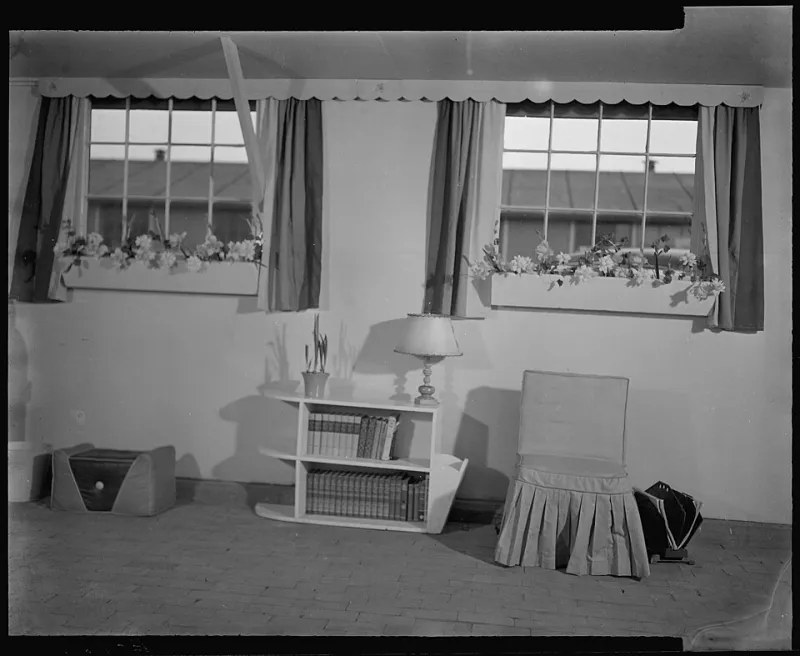
Photo: Unknown authorUnknown author or not provided, Public domain, via Wikimedia Commons
Every buyer who regrets a Şanlıurfa purchase tends to describe the same failure. They saw the neighborhood on a bright afternoon in spring, walked a property twice, and signed. The regret arrives later — when the mosque loudspeaker two streets over turns out to be audible through the bedroom window, when the summer electricity bill lands in August, or when the twenty-minute drive to the office becomes forty at the school-run hour.
A rental period is the cheapest due-diligence instrument available to you. It costs a few months of rent and a deposit. It can save you from a seven-figure mistake measured in lira.
What a Furnished Short-Term Lease Actually Looks Like
Turkish residential leases are normally annual contracts. Short-term furnished arrangements exist and are common in Şanlıurfa, but they live in a gray zone between a standard lease and daily rental. Expect a premium of roughly 30 to 50 percent over an unfurnished annual lease, a deposit of one to two months, and a landlord who wants payment in advance for the period.
You will need a Turkish tax number to have utilities put in your name, and you should insist on a written contract even when the landlord prefers a verbal arrangement. A verbal tenancy is exactly as enforceable as it sounds, which is to say not at all from your side of the table.
Clauses American Renters Should Request
Turkish lease templates are shorter than their American counterparts and omit protections you may take for granted. Ask for these explicitly:
An itemized inventory. Every piece of furniture, appliance, and fixture, with condition notes and photographs attached. Disputes over deposits almost always trace back to an inventory nobody wrote down.
A defined utility arrangement. Who pays what, whether there are caps, and what happens if the building's common charges rise mid-term.
Early termination terms. A thirty- or sixty-day notice right, with the deposit returned under stated conditions and a timeline for return.
Maintenance allocation. Draw a line between structural repairs and tenant-caused damage. Small repairs below a stated threshold should be the tenant's; everything above it, the owner's.
Permission to alter. If you intend to test renovation ideas, get written consent, even for paint.
A purchase-option conversation, in writing. This is the clause most American renters never think to ask for and the one that matters most if you are considering buying the unit. More on that below.
Districts Worth Trialing
Şanlıurfa's central districts each produce a different daily life, and a month in each is more informative than any listing portal.
Karaköprü is where most new residential construction is concentrated — mid-rise apartment complexes, wider streets, proximity to shopping and newer schools. Trial it if you want predictability and a building with an elevator and a management company. Listen for construction noise from adjacent plots, which can run for years in a growing district.
Haliliye is central and mixed: established apartment blocks, the university's gravitational pull, a broad range of price points, and street life that does not stop at nine in the evening. Trial it if you want walkability and do not need silence.
Eyyübiye holds the historic core around Balıklıgöl and much of the city's older housing stock. Prices are lower and renovation opportunities are real, but the housing stock varies enormously in quality and the streets are more conservative in character. Anyone considering a heritage renovation should live here first, in summer, before committing.
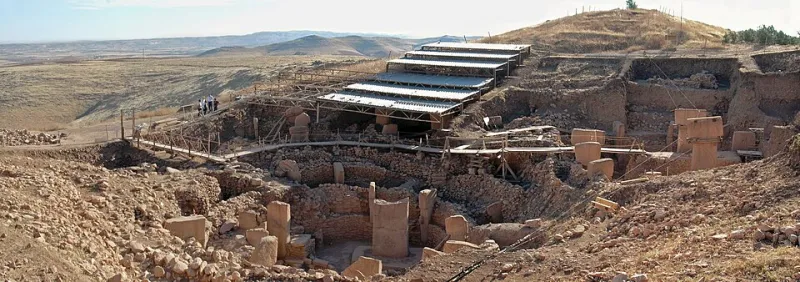
The Sırrın and Maşuk corridor along the Göbeklitepe road is the emerging option — newer stock, more space per lira, and a bet on infrastructure that has not fully arrived. This is exactly the kind of area a rental period will evaluate honestly. Count the streetlights. Time the drive into the center at rush hour.
Build a Cost Ledger, Not an Impression
Keep a simple record for the full ninety days: electricity in July and August, water delivery, internet, building dues, groceries, fuel, parking, and any interpreter or driver time. Convert to dollars monthly. Then compare that ledger against the total cost of owning the property you are considering — including the 4% title transfer fee, DASK insurance, annual property tax, and an honest maintenance reserve.
Most buyers discover that the ownership number is closer to the rental number than they assumed, or that a specific neighborhood's running costs are materially higher than another's. Both findings are worth having before you commit capital.
Preserving Your Leverage
Here is the mistake that costs people money. They rent a unit, fall in love with it, and let the landlord learn they want to buy. Overnight, the seller has a captive buyer with an emotional attachment and no alternative.
Three rules prevent this:
Do not name your target to your landlord. Keep the search broad for the entire rental period. If you do want to approach your landlord about buying, do it after you have identified and priced two alternatives.
Get an independent valuation. Foreign buyers require an official appraisal report anyway. Treat it as negotiating data, not paperwork.
Negotiate on days, not enthusiasm. In a market where many sellers are waiting, a buyer who can close in three weeks on a clean deed has real leverage. Use it quietly.
A Ninety-Day Timeline
Days 1–14: Arrive, set up utilities, walk the immediate area at different hours. Note noise, foot traffic, and parking.
Days 15–45: Test the commute at rush hour in both directions. Visit schools, hospitals, and the airport road. Tour at least fifteen properties across three districts with no intention of buying any of them.
Days 46–75: Narrow to two districts. Run the cost ledger against actual ownership costs. Engage an attorney and begin reviewing deed records on shortlisted properties.
Days 76–90: Make an offer with a deadline attached. Keep the rental in place until the transfer is complete — the last thing you want is to be homeless in a city you have just decided to live in.
The lease is not a delay. It is the cheapest piece of information you will buy in this entire process.