Steps From a Sacred Lake, Priced Like a Parking Lot: The Strange Economics of Şanlıurfa's Balıklıgöl District
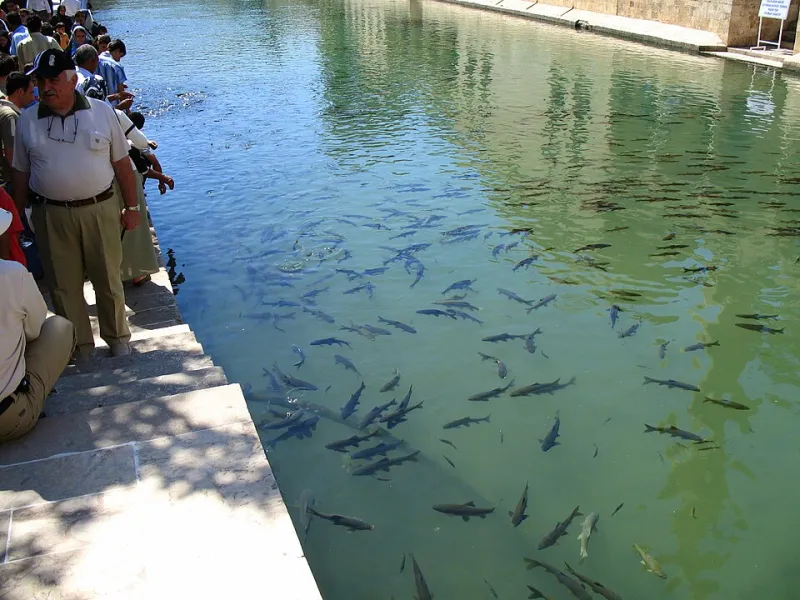
Photo: No machine-readable author provided. Nilstycho assumed (based on copyright claims)., CC BY 2.5, via Wikimedia Commons
Consider a simple thought experiment. If you placed a 6,000-year-old sacred site — a place where, per local tradition, Abraham was cast into the fire and the flames turned into the fish-filled pools pilgrims visit today — anywhere in the continental United States, the surrounding real estate would be unattainable for ordinary buyers. Think of the premium zones around San Antonio's River Walk, Savannah's historic squares, or the French Quarter in New Orleans. Now consider the reality on the ground in Şanlıurfa: apartments and traditional stone houses within a short stroll of Balıklıgöl routinely list for figures that, converted to dollars, resemble the price of a used sedan rather than a home.
This is not a typo, a distressed market, or a sign of weak demand. It is a pricing anomaly rooted in timing — and understanding it requires looking at how heritage-adjacent property is valued in the US versus how it is still valued here.
Why the Waterfront Rule Hasn't Applied — Yet
American buyers are conditioned by a simple heuristic: proximity to a beloved landmark inflates value. Waterfront property, historic-district homes, and anything within walking distance of a major tourist draw all carry measurable premiums, often 30 to 80 percent over comparable inventory elsewhere in the same metro.
Şanlıurfa defies this logic for several structural reasons. First, the neighborhoods around the old city — Çarşıbaşı, Yıldız, parts of Eyyüp Nebi and the lanes threading off the Ulu Cami — are dominated by long-tenured local families and small merchant owners who have held property for generations. Little has been listed, and even less has been marketed to international buyers. Thin transaction volume means prices have not been stress-tested the way they have in Antalya or Istanbul, where foreign demand re-priced entire districts within a decade.
Second, tourism in Şanlıurfa has historically been pilgrimage-driven and domestic rather than international and discretionary. Balıklıgöl draws millions of visitors annually, but until recently the surrounding infrastructure — boutique hotels, quality restaurants, restored guesthouses — lagged behind what the foot traffic warranted. That infrastructure gap has been closing, and property values follow infrastructure, not the other way around.
Third, and most practically, the renovation stock matters. Many properties near the old city are older stone structures requiring investment. US buyers familiar with the fixer-upper economics of, say, Detroit's historic districts or small-town New England will recognize the pattern: distressed heritage stock near an anchor asset is the classic setup for revaluation.
The Streets to Watch
Not every block near the fish lake will appreciate equally. Based on transaction patterns we observe at Şanlıurfa Satılık, three zones stand out.
The Çarşıbaşı perimeter. The streets between the Grand Mosque and the bazaar district offer the shortest walking distances to both Balıklıgöl and the commercial heart of the old city. As the bazaar economy modernizes — a trend we have covered previously — these properties benefit from dual demand: heritage tourism and merchant activity.
The upper lanes of Yıldız. Slightly elevated streets with views over the old city's rooflines toward the castle and the lake below. These homes offer the outlook premium that buyers in Santorini or Matera pay fortunes for, at a fraction of one percent of those prices.
The Eyyüp Nebi approach corridor. As pedestrian routes from the newer parts of the city toward the pilgrimage complex are upgraded, properties along the approach paths capture spillover foot traffic. These are the blocks most likely to see café and guesthouse conversions first — and conversion activity is the single most reliable leading indicator of residential revaluation.
A Comparison Buyers Should Run Themselves
We encourage prospective buyers to do the math against their own market. A restored two-bedroom home within ten minutes' walk of a nationally significant historic site in the US — a Natchez, Mississippi; a Harpers Ferry, West Virginia; a Taos, New Mexico — typically starts well into six figures, often $300,000 or more, before taxes and insurance. Comparable-configuration properties near Balıklıgöl, even after renovation budgets are fully provisioned, frequently total less than a third of that figure.
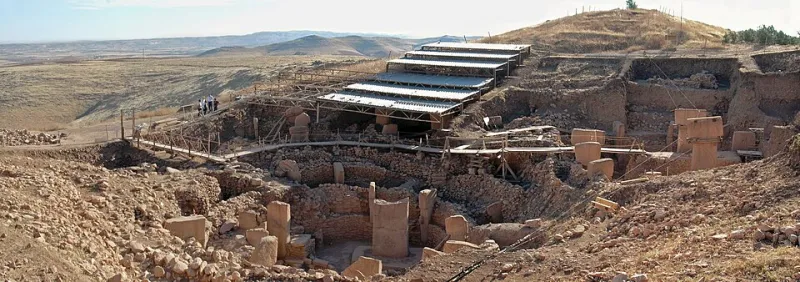
The gap will not persist indefinitely. Göbeklitepe's UNESCO-backed profile continues to lift the city's international visibility, regional flight connections are expanding, and each new boutique hospitality opening near the old city reprices the surrounding blocks slightly upward. Buyers who ran this comparison five years ago in Gaziantep or Mardin watched the same sequence unfold.
The window for acquiring property near one of the world's oldest continuously venerated sites at non-premium pricing is open now. It will not remain so.